
A DeCordova or Acton sprinkler repair request should start with the neighborhood and the visible symptom. The same issue can be described in a way that helps diagnosis: Zone 4 is weak, the valve box near the driveway is full of water, the controller says the zone is running but nothing happens, or the lowest head keeps seeping after shutoff.
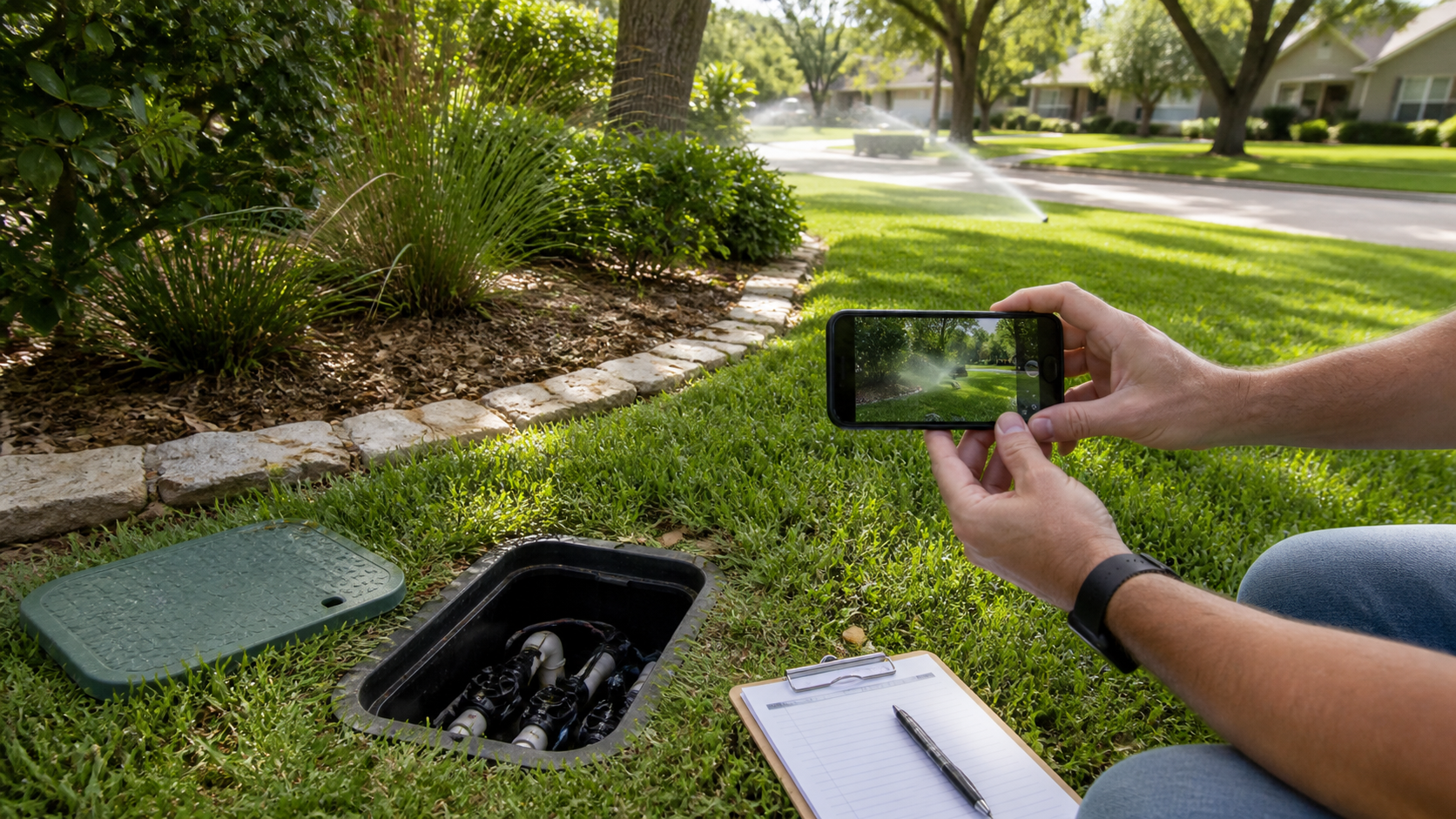
Mature landscaping can change a system over time. A head that once watered open turf may now spray into shrubs. A tree root can lift or crowd a line. A bed expansion can bury heads or shift water needs. When the yard changes but the system does not, dry spots and overspray become more likely.
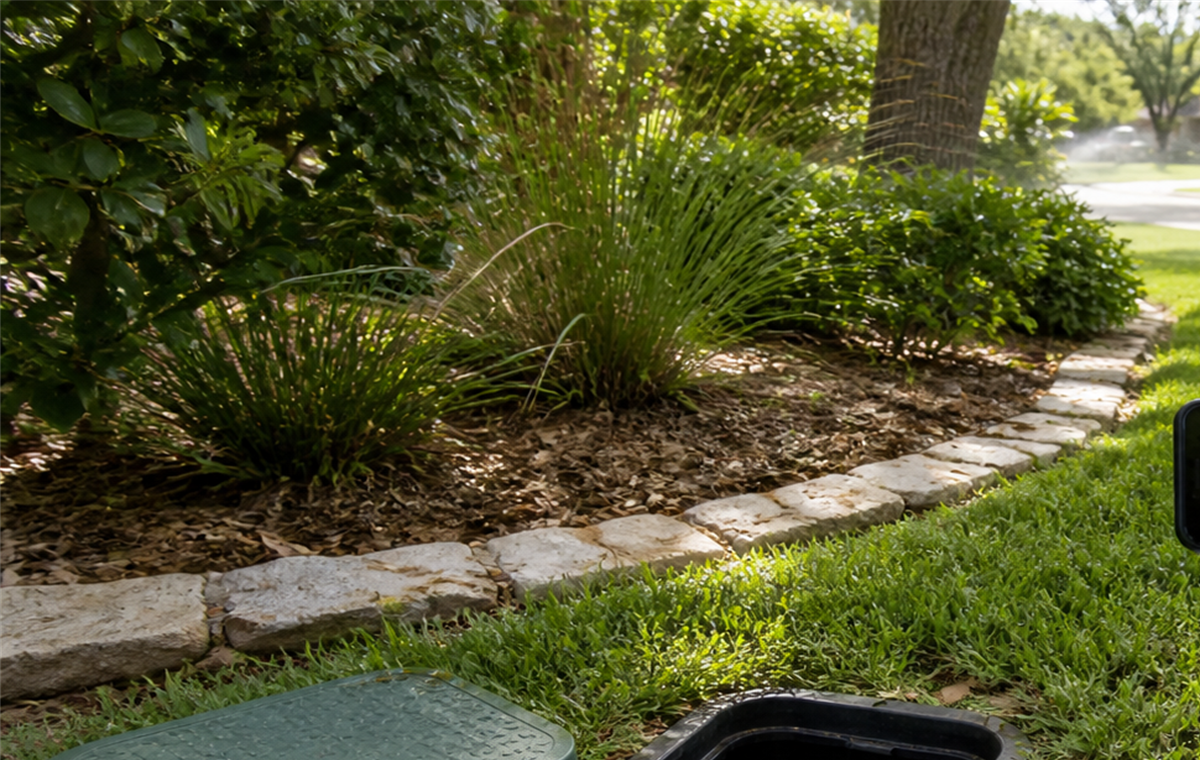
Access details matter in neighborhood service areas. Let the repair contact know where the controller is located, whether gates are locked, whether pets need to be secured, and whether valve boxes are visible. These details can reduce wasted time on the first visit.

Controller schedules are a common source of confusion. If watering days changed, a rain sensor is active, or seasonal adjustment is too low, the system may look broken when it is actually being interrupted or under-scheduled. A repair check can confirm the settings before assuming a buried failure.
Valve boxes should be checked when one zone behaves differently from the rest. A wet box, buzzing solenoid, loose splice, or valve that opens manually but not electrically can point to the right repair path. The box condition also tells the technician whether water is leaking nearby or simply draining into the low area.
Hood County heat makes coverage gaps show up quickly. A small nozzle clog or tilted head can become a visible dry patch in a few cycles. For DeCordova and Acton yards, documenting the affected area before it fully browns out can make diagnosis easier.
The site keeps the request phrased as a referral path until a licensed local provider is assigned. That matters for accuracy. Homeowners should verify provider qualifications for regulated irrigation or backflow tasks before hiring.